A Simple Marketing Plan for Small Business Owners
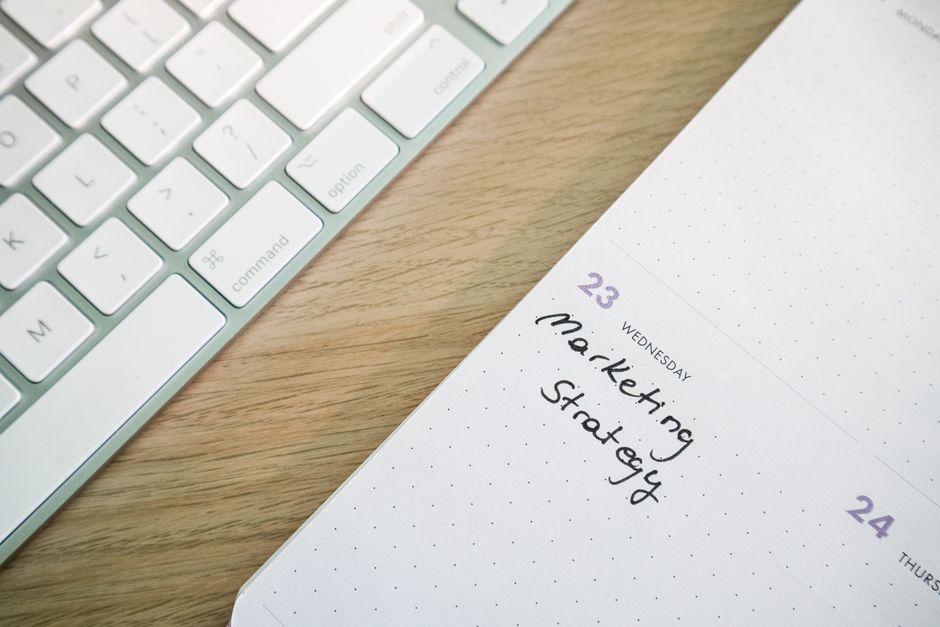
When marketing keeps sliding to the bottom of the list, a long strategy document will not fix the Tuesday-morning blank page. A useful marketing plan for small business owners is a short weekly routine: decide who you want to reach, choose one helpful message, and set the next step.
You do not need to plan every channel or fill a calendar months ahead. Start with a plan small enough to use during a busy week.
What a marketing plan for small business owners should answer
Before drafting a post or choosing a platform, write down five decisions. Each one should fit in a line.
- Who are you trying to reach? Name a real type of customer, not “everyone.”
- What question or problem matters to them this week? Use the questions people ask you, the hesitation you hear, or a task they need to complete.
- What is the one useful point you can make? Explain a step, show how something works, or clear up a common misunderstanding.
- Where will you share it? Pick one channel you can maintain. Add another only when the first is manageable.
- What should a reader do next? Choose one action, such as reading a product page, booking a call, or replying with a question.
Keep these answers together. If you cannot explain the plan in a few sentences, simplify it before adding more tasks.
A weekly marketing workflow you can actually repeat
Use a short planning block at the start of the week, then make the work smaller by giving each step a clear owner and finish line.
- Choose one topic. Start from a customer question or a business priority. Avoid trying to cover several unrelated ideas at once.
- Draft one useful piece. Answer the question directly. A short tip, example, checklist, or explanation is enough to begin.
- Choose one next step. Point readers to the relevant service, product, booking page, or a simple reply.
- Reuse the idea thoughtfully. Turn the same answer into a shorter post or email only if it fits that channel. Do not copy a format that feels unnatural to your audience.
- Review what happened. Note clicks, replies, inquiries, or purchases. If there is not enough activity to draw a conclusion, record that too and keep testing.
For example, a neighborhood repair shop might answer “What should I check before calling for a repair?” with a short guide, then invite readers to book an appointment if they still need help. That is an illustrative example, not a required formula. The useful part is that the topic, message, and next step fit together.
Keep the plan realistic when the week gets busy
A plan is only useful if it survives a crowded calendar. Build it around the time and tools you already have, not an ideal week that rarely happens.
- Set a minimum you can keep. One clear piece of communication is better than a schedule that depends on perfect conditions.
- Save questions as they come up. Keep a running list in one place so the next planning session does not start from zero.
- Leave room for real work. Choose a repeatable slot for planning, but do not let content production displace customer service or delivery.
- Change one thing at a time. If a message gets no response, try a clearer topic or call to action before rebuilding the whole system.
Do not treat a quiet week as proof that the whole plan failed. Small audiences and short measurement windows can make results hard to read. Keep the record honest, then use the next week to learn something specific.
Where templates fit in the process
If you want ready-to-adapt materials for organizing content ideas and repeatable work, the Small Business AI Content & Workflow Kit includes content-planning templates, workflow templates, guided AI prompt examples, and a plain-language guide. It is $29 one time, with no recurring fee. The materials are for use in your own business; source files may not be shared, redistributed, or resold.
A template can give your weekly routine a place to live. It cannot choose the right message for your customers, so keep your judgment in the process and check the current terms for any AI platform or third-party assets you use.
Common questions
What should a small-business marketing plan include?
Start with the audience, the question you want to answer, the message, the channel, the next step, and one way to review what happened. Add detail only when it helps you make or repeat the work.
How often should I update my marketing plan?
Review the next week before it begins and take a little time at the end of the month to look for patterns. Keep the parts that are manageable and revise the parts that repeatedly stall.
Do I need AI to make a marketing plan?
No. You can plan with a notebook or document. AI can help you brainstorm or shape a first draft, but you still need to provide accurate business details and review the final work.
A practical plan is not the one with the most boxes. It is the one that makes the next useful action obvious when you are busy.
For the business behind this guide, see the ReadyMade Digital Co. homepage.